
Stormwater Pollution Prevention Plan (SWPPP) Inspections: Keeping Stormwater Clean on NYC Construction Sites
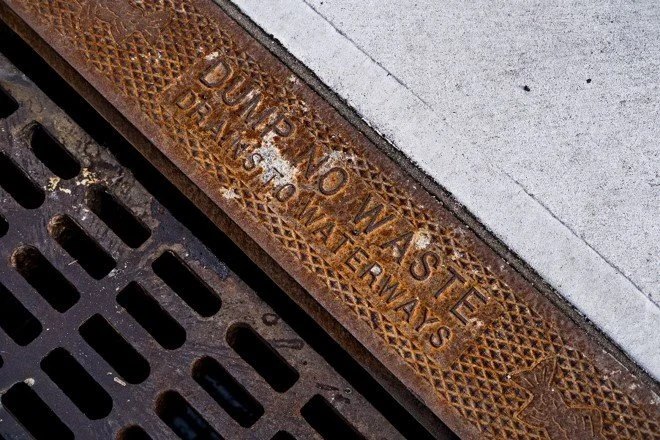
Permit Spotlight: NYC DEP Stormwater Construction Permit
Key requirements at a glance:
· Required for projects disturbing 20,000 square feet or more of soil
· Also required for projects creating 5,000 square feet or more of new impervious area
· Weekly inspections by a Qualified Inspector (QI)
· Permit displayed on the construction site
· Inspections continue until DEP approves the Notice of Termination or Stormwater Maintenance Permit
Most construction inspections focus on what is being built. Stormwater Pollution Prevention Plan (SWPPP) inspections focus on what is leaving the site. A single rainstorm can carry sediment, concrete washout, and debris off an active site and into catch basins, sewers, and local waterways.
Since NYC DEP's Unified Stormwater Rule took effect in 2022, SWPPP requirements have applied to many more projects across the five boroughs. This quarter, we're explaining what a SWPPP is, when it's required, and what to expect from the weekly inspections.
What Is a SWPPP?
A SWPPP is a site-specific plan that shows how stormwater will be managed during and after construction. It typically includes erosion and sediment controls such as silt fence, inlet protection, and stabilized construction entrances. It also covers pollution prevention measures like concrete washout areas and material storage, and permanent stormwater management practices (SMPs) such as detention tanks or green infrastructure.
Under Title 15 RCNY Chapter 19.1, DEP must review and approve the SWPPP before the Stormwater Construction Permit is issued. Projects disturbing one acre or more may also need coverage under the NYSDEC SPDES Construction General Permit.
Who Can Perform SWPPP Inspections?
SWPPP inspections must be performed by a Qualified Inspector. On projects with permanent SMPs, the QI must be a New York State licensed Professional Engineer or Registered Landscape Architect. A Certified Professional in Erosion and Sediment Control (CPESC) may serve as QI on projects with erosion and sediment controls only.
Field inspectors can perform inspections as Supervised QIs under a licensed QI at the same firm, provided they complete four hours of NYSDEC-endorsed training every three years.
How Often Are Inspections Required?
QI inspections are required weekly on most sites. Sites disturbing more than five acres at one time, or discharging to an impaired waterbody, require two inspections per week. During a DEP-approved temporary shutdown, inspections drop to monthly. DEP must be notified at least seven days before any shutdown.
What Does the Inspector Look For?
At each visit, the QI walks the site and its discharge points to confirm the controls in the SWPPP are installed and working. Common findings include torn or overtopped silt fence, clogged inlet protection, sediment tracked onto the street, and overflowing concrete washouts. Disturbed areas left inactive must be stabilized within 14 days, or 7 days on larger sites.
SWPPP Inspection Process
Review the Approved SWPPP
Confirm required controls, SMPs, and site discharge points.
⬇
Inspect the Site
Walk erosion and sediment controls, pollution prevention measures, and discharge points.
⬇
Notify the Team
Report required corrective actions to the owner and contractor within one business day.
⬇
Corrective Action
Contractor begins repairs within one business day and completes them within five business days.
⬇
Document and Report
Issue signed reports with date-stamped photos, kept on site and summarized to DEP monthly.
Plan Ahead for Close-Out
Weekly inspections continue until DEP approves the Notice of Termination (NOT) or Stormwater Maintenance Permit. At close-out, the QI certifies final stabilization and removal of temporary controls, and a Qualified Professional certifies that permanent SMPs were built per the SWPPP. DEP then performs its own final inspection.
Missing as-built drawings or incomplete SMP documentation are common causes of close-out delays. Planning for these items early keeps the inspection program, and project costs, from running longer than necessary.
How EPIC Can Help
EPIC provides weekly SWPPP inspections as Qualified Inspector, often combined with special inspections already scheduled for the same site visit. That's the case at 860 Concourse Village East, featured in this quarter's EPIC Inspects. Our team also inspects permanent stormwater detention systems under NYC Building Code Section 1705.27.2 and supports owners through DEP close-out.
If your project requires a Stormwater Construction Permit, contact the EPIC team to discuss your SWPPP inspection needs.
REVIEWER NOTE : Requirements in this article were checked against the following NYC DEP documents: NYC DEP Qualified Inspector Guidance